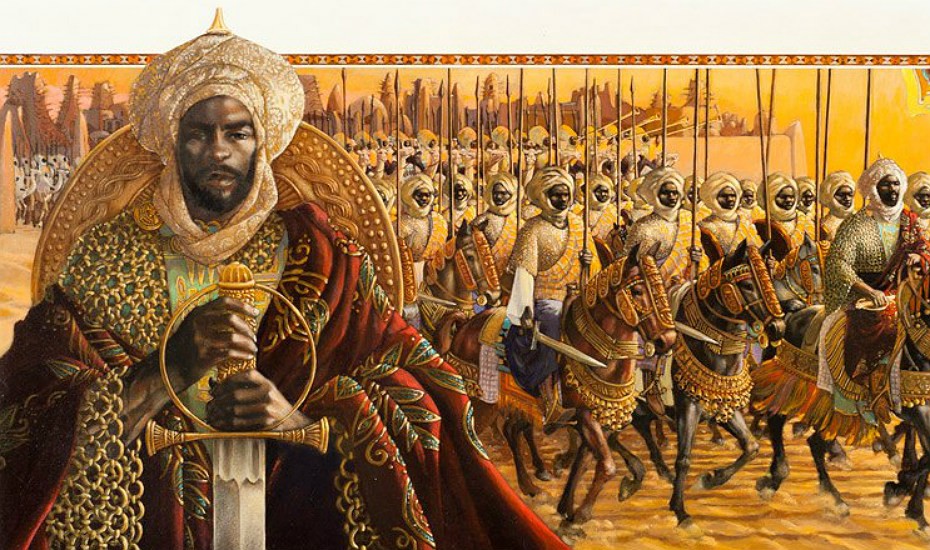
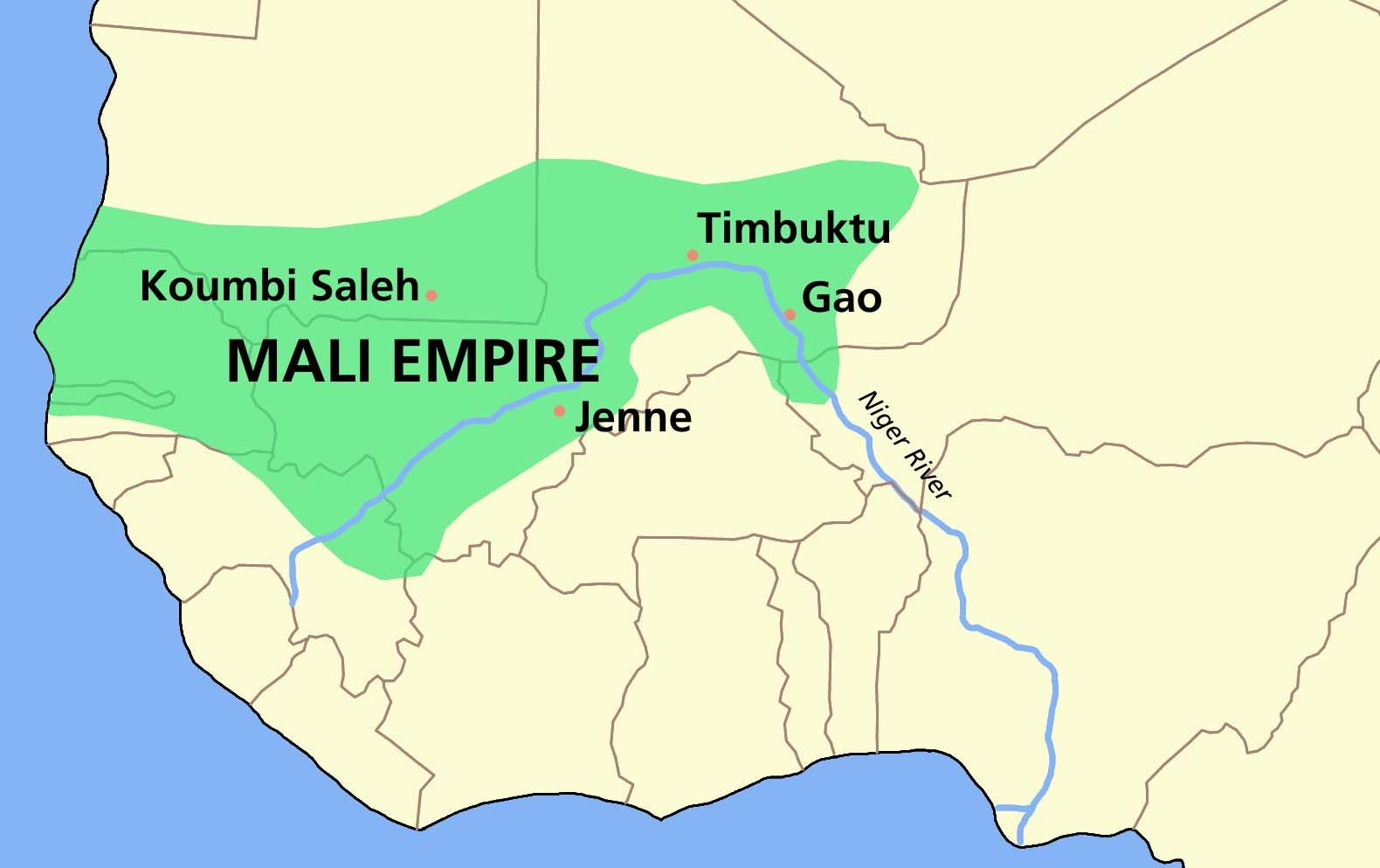
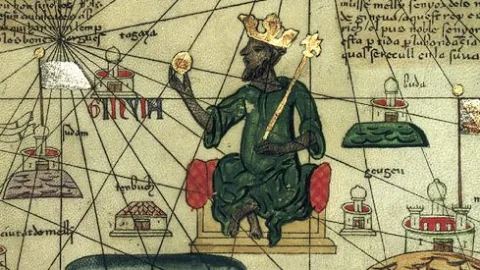
The Mali Empire had kings called mansas who were the bosses of everything. These kings had helpers to watch different parts of their land. The king was very powerful because he controlled all the gold trading and made the biggest decisions. Timbuktu became a really important city where people went to learn and that's where lots of rules were made. The kings used Muslim rules to make laws and the religious leaders were almost as powerful as the kings. Mali got bigger by taking over lands closeby. To keep everyone happy and obey the rules, the kings gave rewards to people who behaved well and used their faith to keep everyone feeling like one big community. When one king was done ruling their son or another family member would become the next king. This way of running things made Mali become stronger even though sometimes it was hard to keep a big empire together.
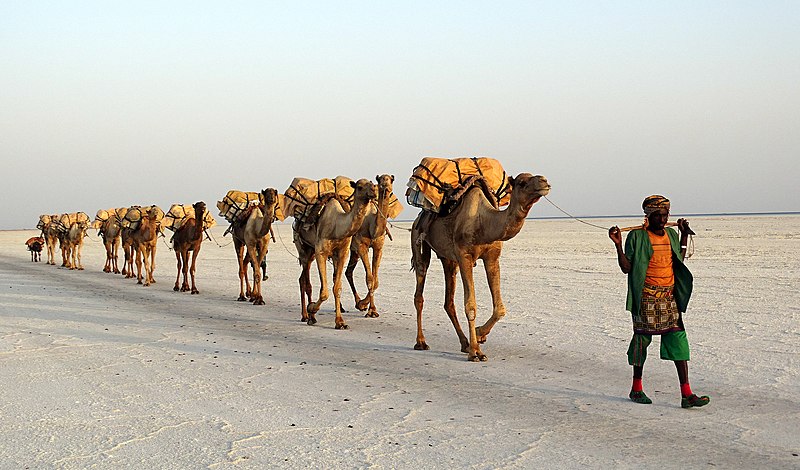
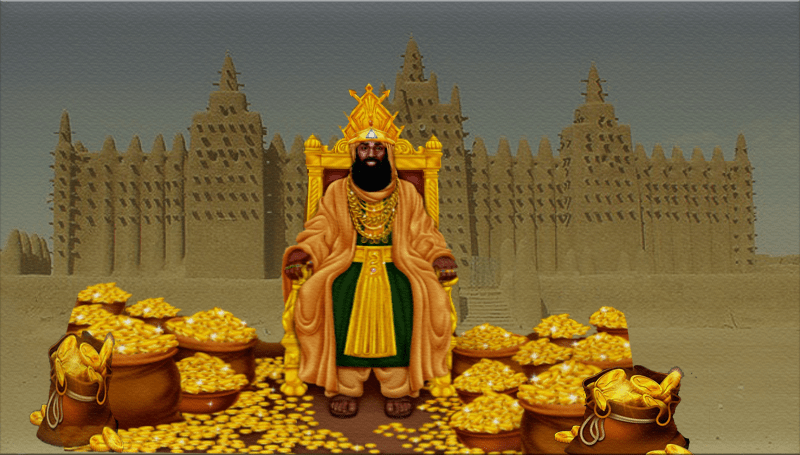
The Mali Empire got rich by trading gold and salt. The empire had gold mines and desert areas where they got salt. The empire sent gold, ivory, and leather to other places, and those places sent back salt, iron, cloth, and books. Merchants with camels moved these things across the desert using the same trading paths people used for a long time. The king had a lot of power because he controlled who could trade gold. Different kinds of workers made the Mali empire rich. Mali started trading with more places far away traded new things like ivory and books and not just gold and salt. More traders with camels joined the business which helped more places get rich from trading.
Mali had two main religions that people followed. Some people prayed to spirits in nature and talked to their dead family for help and others followed Islam and went to Mecca. Most people in towns followed Islam and farmers in the countryside usually had spirit beliefs. Religious leaders were very powerful and they were as strong as the king in some ways. Mali let people follow whatever religion they wanted and let people pray in their own way. They built places to pray and schools to learn more about religion. Over time more and more people started following Islam. They built Muslim schools and mosques in the cities. And people usually got along well regardless of different beliefs.
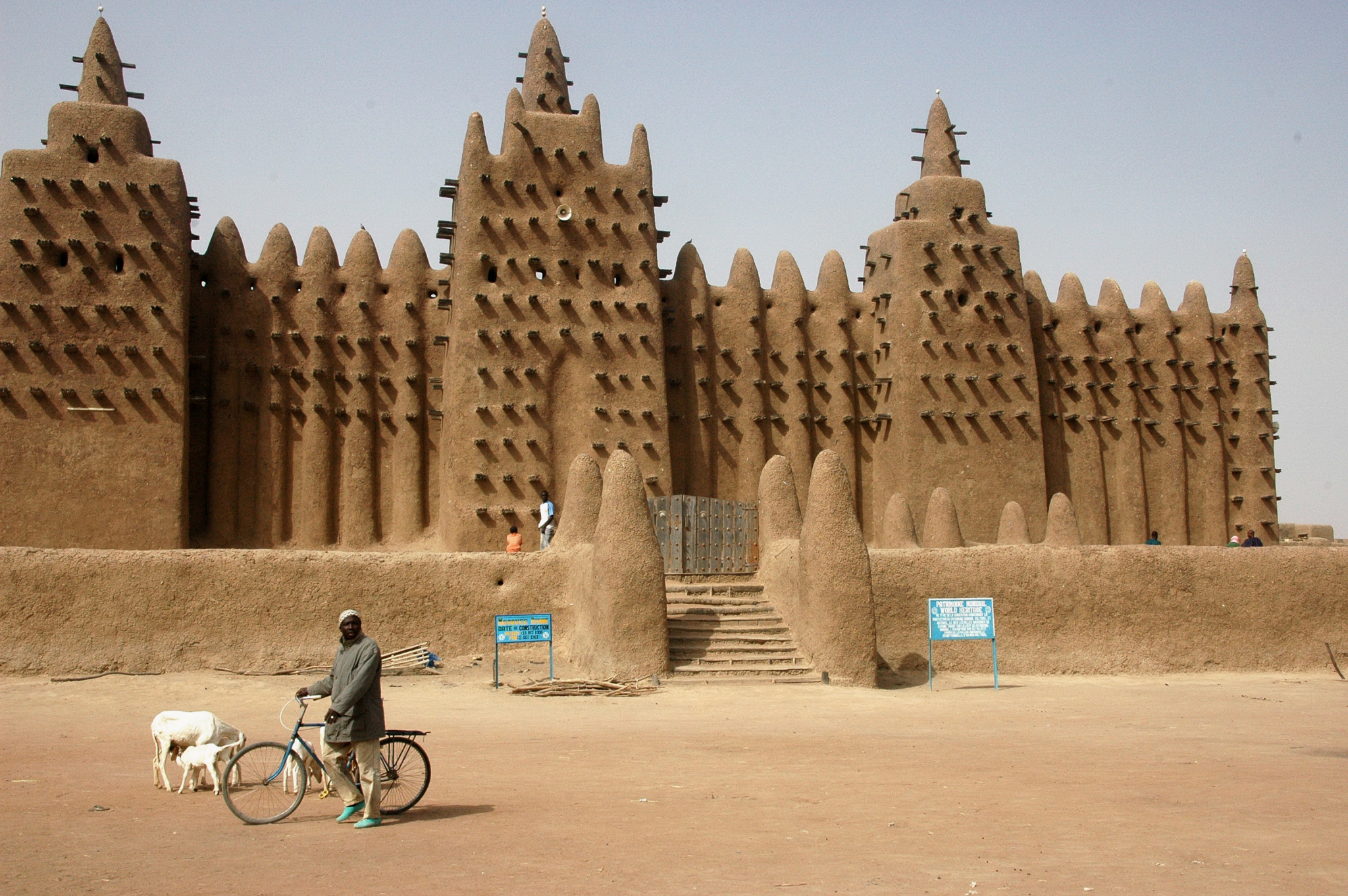
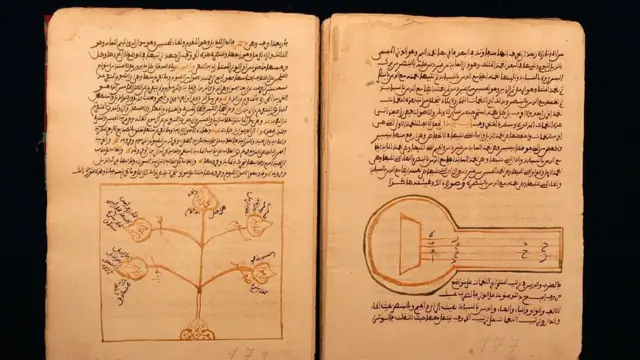
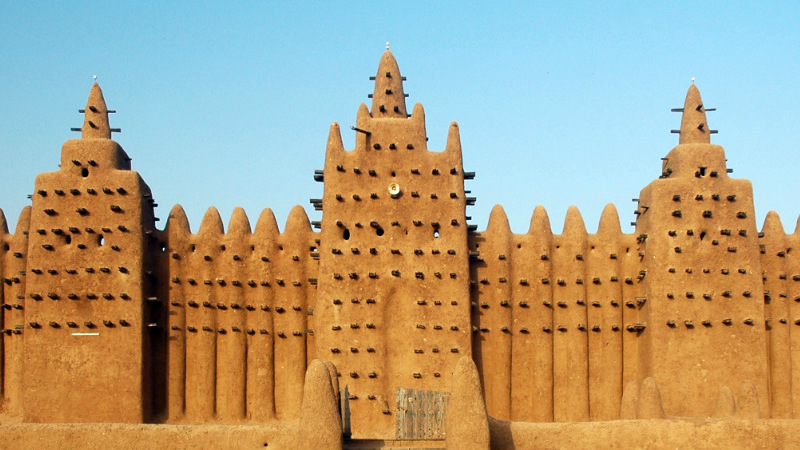
People were good at making different things. Horse riders made gear to help them fight better in battles. People learned how to build strong walls using mud and clay which made their cities stronger. Teachers from far away showed them new ways to make cloth. Iron workers became really good at making better weapons and tools. Clay workers made art that could last a very long time. Families would teach their children and pass down their skills from parent to child. Some things stayed the same like how families kept teaching the same jobs to their kids or how clay workers kept making art the same way and the fact that farmers used the same tools to grow food. But things got better. They learned new ways to make cloth from Arab teachers, they got better at riding horses, they made city walls stronger, and more people learned to work with iron and clay. All these advancements helped Mali grow bigger and stronger.
The Mali Empire kept a lot of things the same but also changed some other things as well that brought significant progress related to the growth of the empire. Kings from the same family always ruled the empire and they kept control over the gold and salt trade. People stayed in the same social roles they were born into with rulers at the top and slaves at the bottom. But some big changes happened too. More people started following Islam and they built new schools and places to pray. The empire grew bigger by taking over new lands which helped them trade with more places far away. They started trading things like books and special cloth. Not just gold and salt. The empire also got better at making things. For example, they learned how to build stronger walls for cities and make better tools. These changes helped Mali become a strong and rich empire while still keeping some of their old customs.
Social Structure
People were born into five different social groups. At the top were the rulers (mansas) and their families. Then second is the rich nobles. Third is the judges and people who helped run things. Fourth is the regular people who made things or farmers. And at the bottom were slaves who had no rights. It was very hard to change which group you were born in. However sometimes slaves could buy their freedom or their owners could set them free. Most people in Mali were workers who made things to sell or farmers who grew food. And they used shells and gold as money. Only the people at the top of the hierarchy got to go to school and only the top people can work in the government. People who were born in Mali were treated better than people from places Mali conquered. This made rich people richer and made it hard for poor people poorer.